By Lebone Rodah Mosima
More than 142,000 candidates have been nominated to contest more than 10,500 council seats across municipalities in the 2026 Local Government Elections, an increase of about 43% from the 2021 elections.
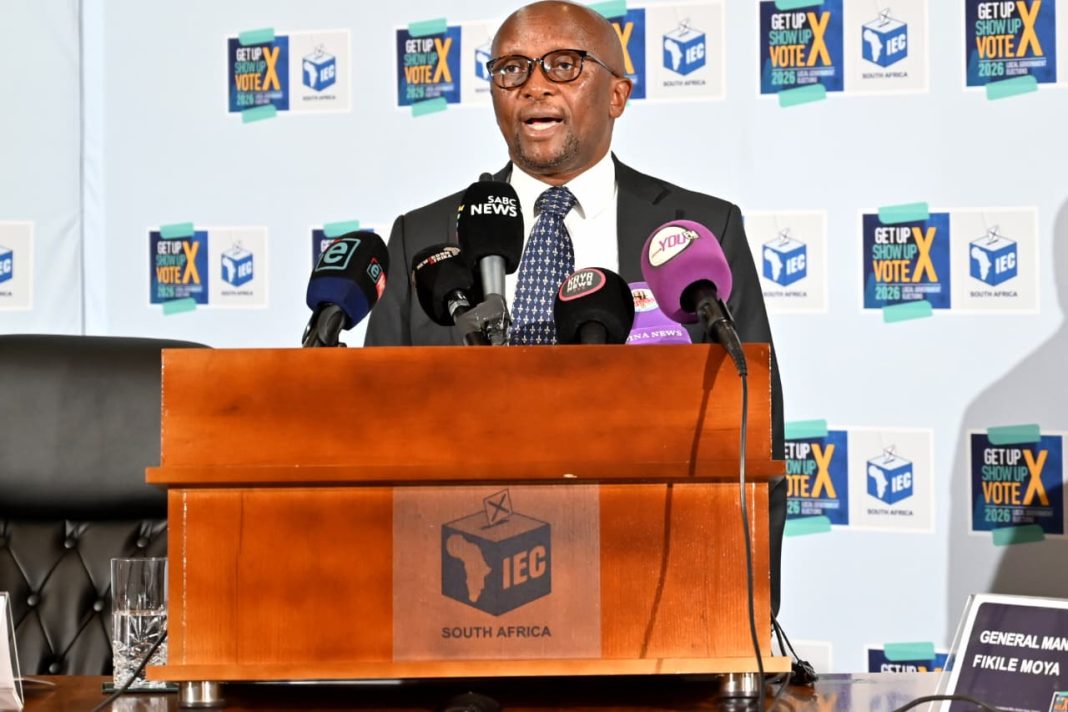
Independent Electoral Commission (IEC) Chairperson Mosotho Moepya said on Wednesday that the Commission’s immediate task was to assess the nominations for compliance with legislative requirements.
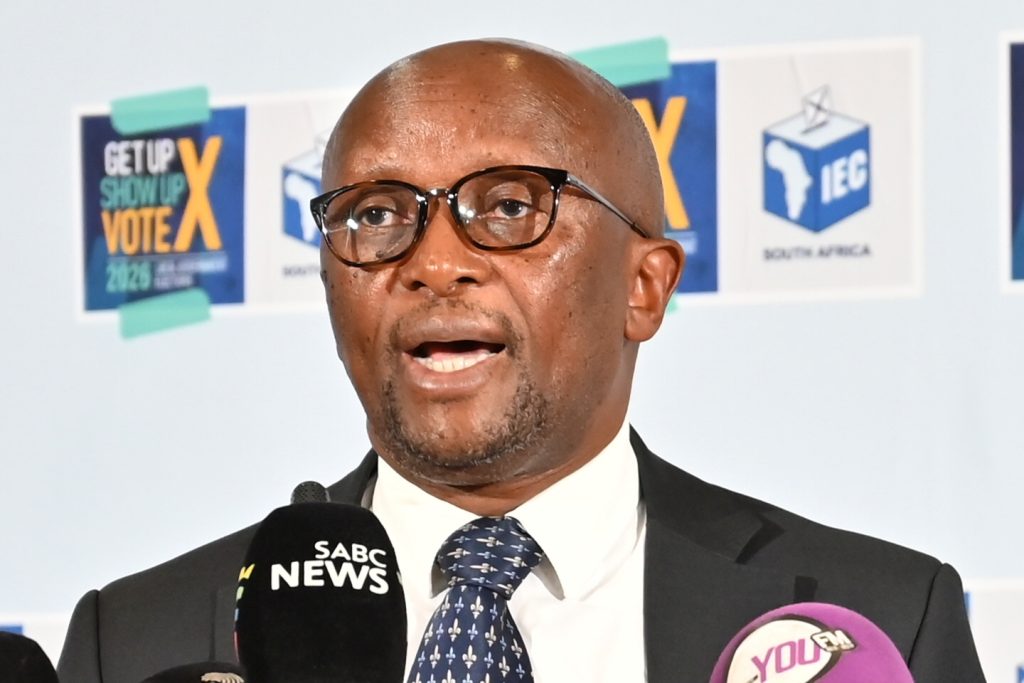
Photo:Eddie Mtsweni
This includes checking whether candidates had completed acceptance of nomination forms, whether political parties and independent candidates had paid the applicable deposits, and whether independent candidates had submitted details of registered voters supporting their candidature.
“Once these checks are complete, the Electoral Commission will compile and make available the final list of candidates on 16 September 2026,” Moepya said.
Of the nominations received, 299 political parties and 127 independent candidates submitted their nominations through the Online Candidate Nomination System (OCNS).
A further 205 political parties and 634 independent candidates submitted their nominations manually at IEC offices across the country.
Of the 142,072 candidates, 40,241 were nominated by political parties to contest proportional representation (PR) seats, while 100,856 were nominated to contest ward seats.
A further 975 independent candidates were nominated to contest ward seats.
“To put the scale of participation into perspective, 99,000 nominations [were received] to contest the 2021 Local Government Elections,” Moepya said.
Candidates aged between 36 and 55 account for 58% of all nominations, with those aged between 41 and 45 representing the largest age group at 16%.
Men account for nearly two-thirds of all nominations, while women make up about 38%.
Men also dominate PR lists, accounting for 56% compared with 44% women. In ward elections, 65% of candidates are men and 35% are women.
The City of Johannesburg has the highest number of parties contesting PR seats at 80, followed by the City of Tshwane with 72, eThekwini with 70, Ekurhuleni with 69 and the City of Cape Town with 55.
Other municipalities among the top 10 are Emfuleni with 43 parties, Polokwane with 40, Rustenburg with 38, Nelson Mandela Bay with 38 and Capricorn District with 38.
Moepya said 2,274 potential candidates were captured on the OCNS but had not been finally submitted by the 17:00 deadline on 28 August.
The figure comprises 480 potential PR candidates and 1,794 ward candidates, involving 45 political parties.
“The Commission’s position is that, in practical terms, these potential candidates have not been submitted to the Commission and therefore are not in contention for this election,” he said.
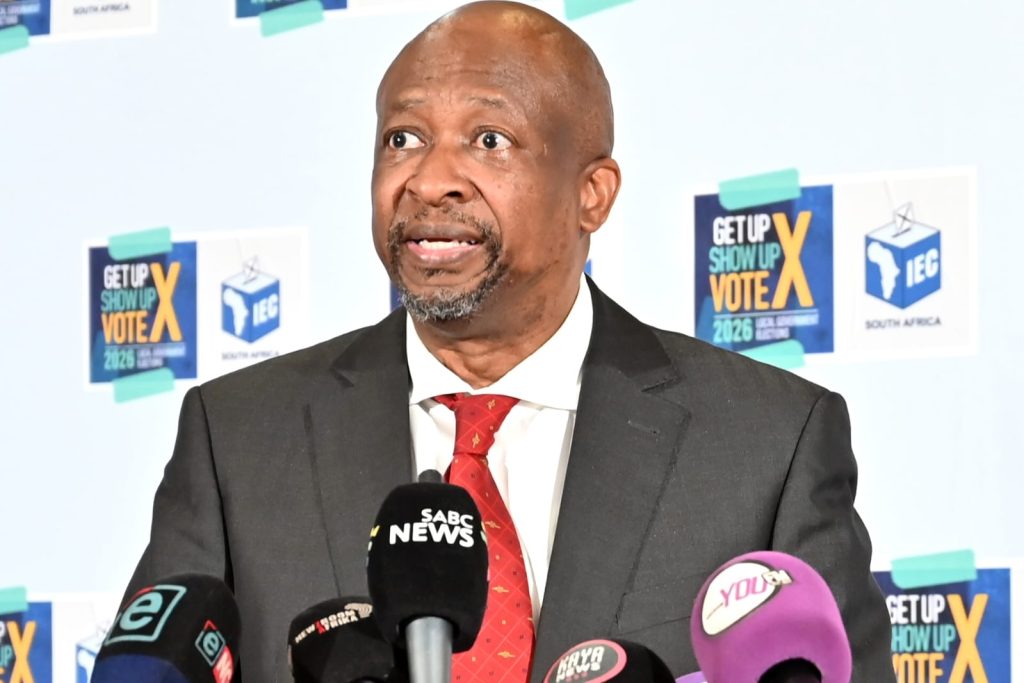
At national level, 345 political parties are registered, of which 227 have nominated candidates, representing 66%.
At provincial level, 33 of the 36 registered parties are contesting, representing 92%.
At metropolitan level, 49 of 61 registered parties are contesting, representing 80%, while at district level, 237 of 290 registered parties are contesting, representing 82%.
“Overall, 546 of the 732 registered political parties are contesting these elections. This represents 75% of the registered parties in the Republic,” Moepya said.
From 4 to 25 September, the Commission will undertake several statutory activities, including requests for additional documents, the cut-off date for submitting additional documents, issuing notices on multiple nominations and compiling the final list of candidates.
Moepya also said the Commission had received more than 300 objections to the voters’ roll and upheld 79.
The main grounds for objections included the inclusion of voters allegedly not belonging to particular wards, the exclusion of voters from wards and incomplete address details.
He said incomplete address details accounted for the majority of objections.
The Commission communicated its decisions to objectors on 24 August, after considering the objections within the applicable legal framework.
The conclusion of the objections process paved the way for the certification of the voters’ roll on 26 August.
Moepya commended political parties and independent candidates for participating in the electoral process and reminded nominated candidates of their obligations under the Electoral Code of Conduct.
“As the Commission works to finalise the lists of candidates, those nominated are reminded of their legal obligation to uphold the Electoral Code of Conduct,” he said.
“The code’s primary import is to create conditions conducive to free and fair elections.”
Moepya reaffirmed the IEC’s commitment to delivering free, fair and credible elections, saying the process would be conducted lawfully, transparently, consistently and without bias.