
By Thapelo Molefe
ActionSA has challenged its coalition partner, the Economic Freedom Fighters (EFF), to explain its role in Tshwane’s water crisis after the party announced plans to open a criminal case against mayor Nasiphi Moya and the city manager over the failure to chlorinate water in Bronkhorstspruit.
ActionSA accused the EFF of trying to distance itself from an administration in which it holds two mayoral committee positions, saying the party could not share power when things were going well and act as the opposition when a crisis hit.
“The EFF is entitled to demand accountability. What it cannot credibly do is pretend to be an opposition party in a government in which it serves,” ActionSA Tshwane caucus spokesperson Henriette Frohlich said on Tuesday.
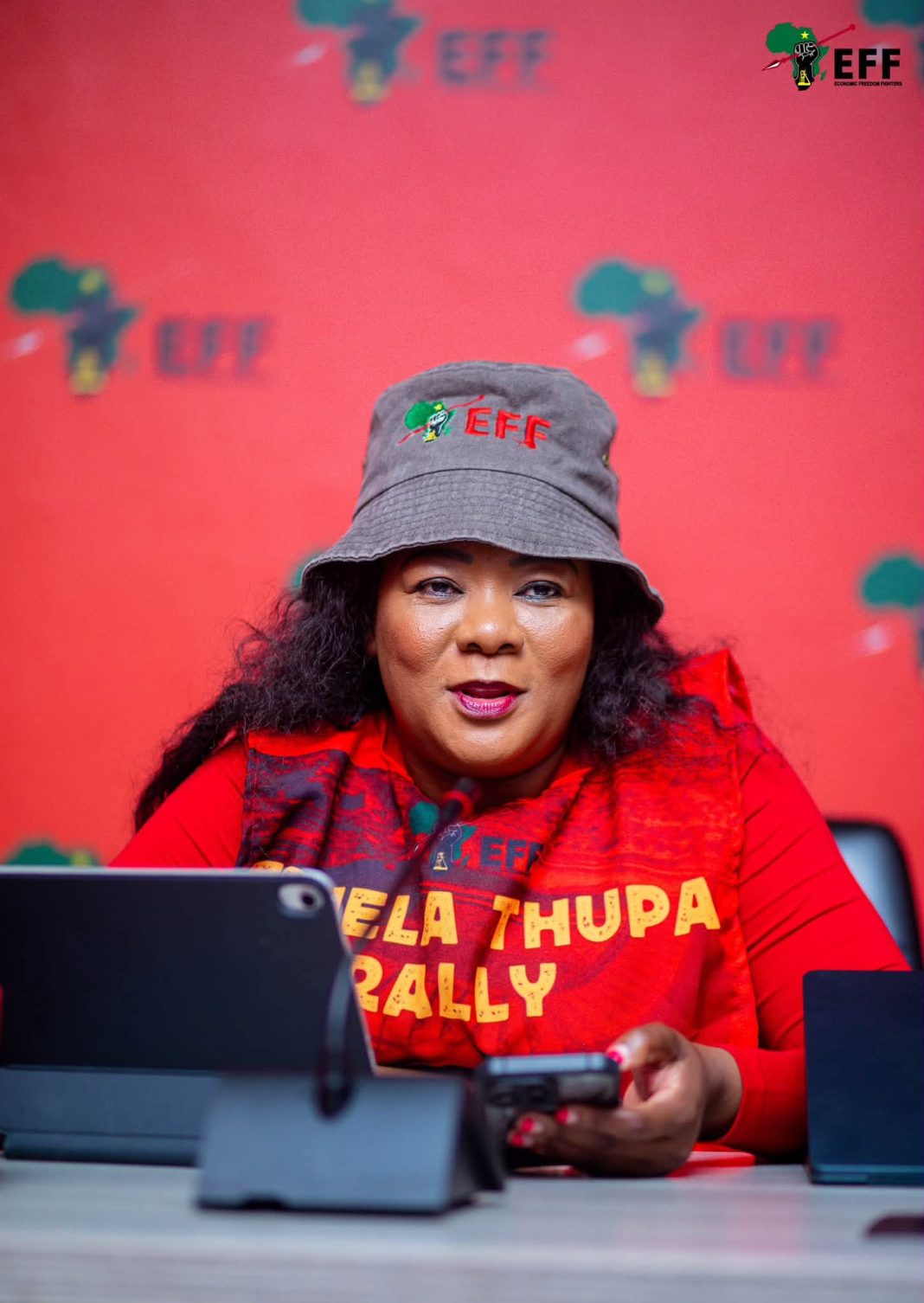
The EFF’s treasurer-general and Tshwane mayoral candidate, Omphile Maotwe, announced plans to open a criminal case against Moya and the city manager at Bronkhorstspruit Police Station over the failure to chlorinate water at the treatment plant.
ActionSA questioned the timing of the move, accusing the EFF of using election campaign material featuring Maotwe and an appeal to vote for the party to promote the planned police action.
Frohlich said the EFF also had responsibilities within the administration, with its representatives overseeing the environment and agriculture management, and health portfolios.
She said these portfolios were relevant to the broader crisis, which involved sewage contamination in the Bronkhorstspruit River, public health concerns and the failure to warn residents about the risks associated with unsafe drinking water.
Frohlich also questioned the absence of the EFF’s two mayoral committee members from the mayor’s engagements with affected communities during the week, despite their departments continuing to contribute to the response.
“Residents are entitled to accountability from everyone entrusted with governing Tshwane, including the EFF,” Frohlich said.
“The EFF cannot have one foot in government and another on the opposition benches whenever political convenience demands it.”
The political dispute comes as the city faces scrutiny over the failure to chlorinate water supplied by the Bronkhorstspruit Water Treatment Works between September 24 and October 14.
Water and Sanitation Minister Pemmy Majodina said a departmental investigation found that the plant had run out of chlorine following problems with its supplier.
The investigation also found that the city failed to warn residents that the water had not been chlorinated and should not be used for drinking, cooking, washing or bathing.
A total of 408 gastrointestinal illness cases were recorded between October 7 and 18, with children under four accounting for most cases. No deaths had been reported in the figures released by the minister.
The investigation also identified malfunctioning pumps, sand filters and other mechanical equipment at the treatment works.
Moya said the city had reached a deadlock in negotiations with its chlorine supplier after the company increased its prices. She promised consequence management against officials who failed to properly oversee the plant and alert city leadership to the chlorine shortage.
The mayor has also pushed back against criticism from former mayor Cilliers Brink over the city’s spending on water tankers and the refurbishment of the treatment plant.
Moya said the city spent about R20.8 million on refurbishment in the 2025/26 financial year, with R57 million approved for 2026/27 and another R30 million planned for 2027/28.
She disputed Brink’s claim that the city spent R777 million on water tankers in 2024/25, saying the figure included purchase orders for cancelled, duplicated or unprocessed transactions. She put actual expenditure on services delivered at about R441 million.
The Democratic Alliance (DA) has separately opened a criminal case against the City of Tshwane over the water crisis and demanded the immediate release of water-quality test results.
ActionSA said the city’s chief operations officer had been tasked with investigating the chlorination failure and the delay in warning residents.
“Appropriate consequences must follow wherever negligence or misconduct is established,” Frohlich said.
She said the priority remained supplying safe alternative drinking water to affected communities and rehabilitating the treatment plant.
The EFF’s planned criminal case adds to the growing political dispute over accountability for the water crisis, with ActionSA insisting that responsibility must extend to parties serving in the coalition government.
INSIDE METROS