By Lebone Rodah Mosima
eThekwini Municipality said it has set aside more than R2.1 million for disability sector programmes in its proposed 2026/27 budget, with a further R13 million allocated to sustain the Dial-A-Ride service for people with disabilities.
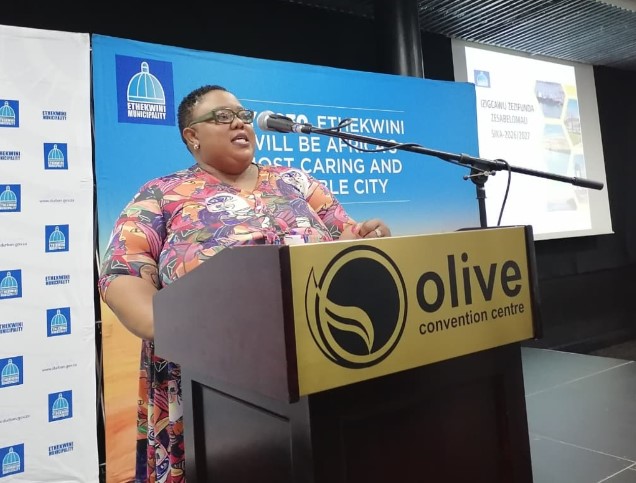
The city disclosed the funding during a draft Integrated Development Plan (IDP) and budget consultation with the disability sector at the Olive Convention Centre this weekend, where officials presented the proposed R74.7 billion budget alongside the municipality’s Spatial Development Framework (SDF) priorities.
The municipality said the funding for disability sector programmes would support “empowerment, awareness, diversity, and education-focused strategic programmes and initiatives”, while the Dial-A-Ride allocation would provide ongoing transport support to persons with disabilities.
Deputy Mayor Zandile Myeni said the city was aware of the challenges facing the disability sector and that consultations of this nature helped it develop practical responses, particularly on employment.
“Job creation strategies must actively consider
You’ve reached your free article limit
Subscribe to enjoy unlimited access to trusted journalism. Start your free trial today.
Start your FREE trial nowNeed help? molokom@insideeducation.co.za