By Johnathan Paoli
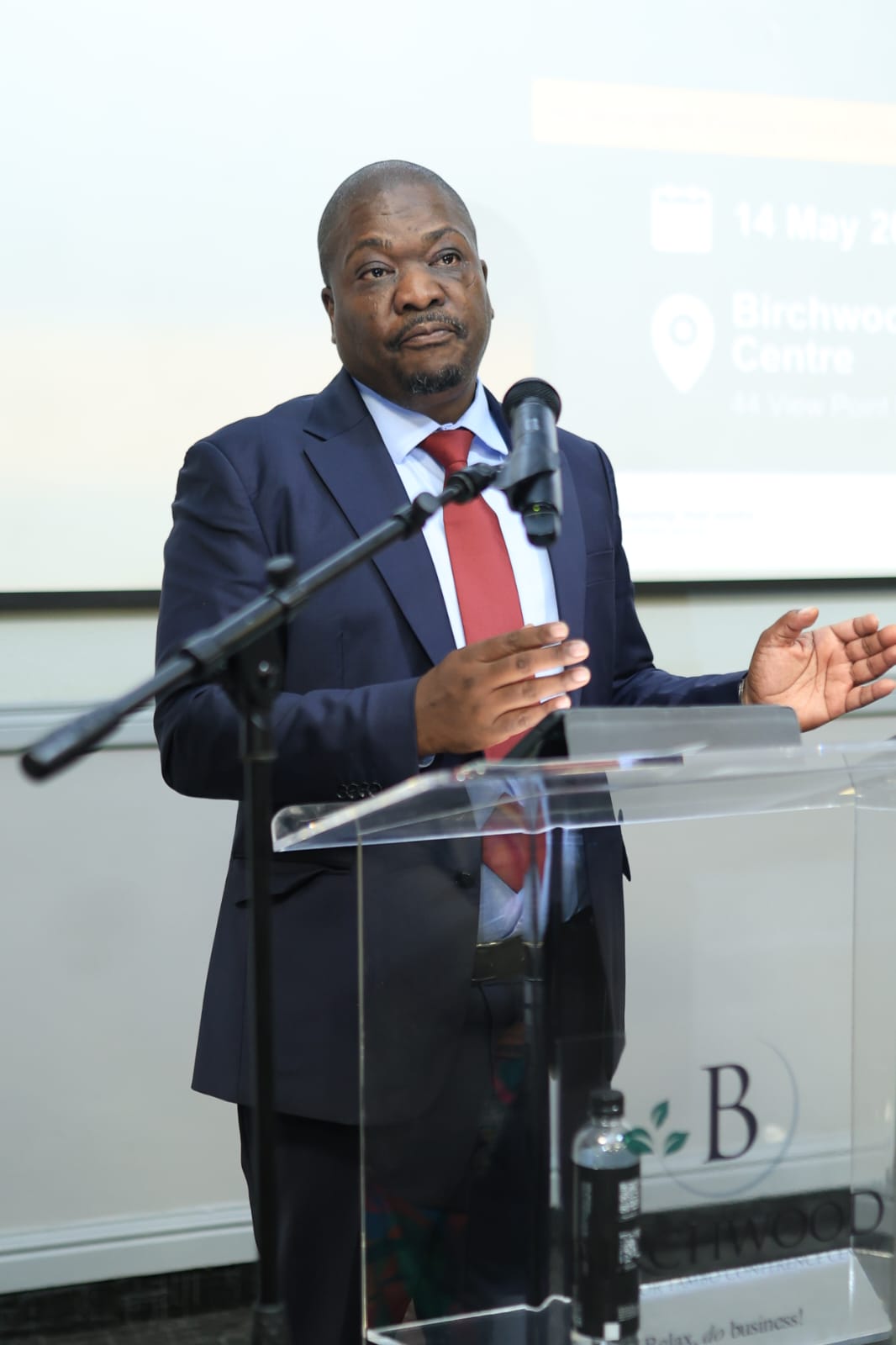
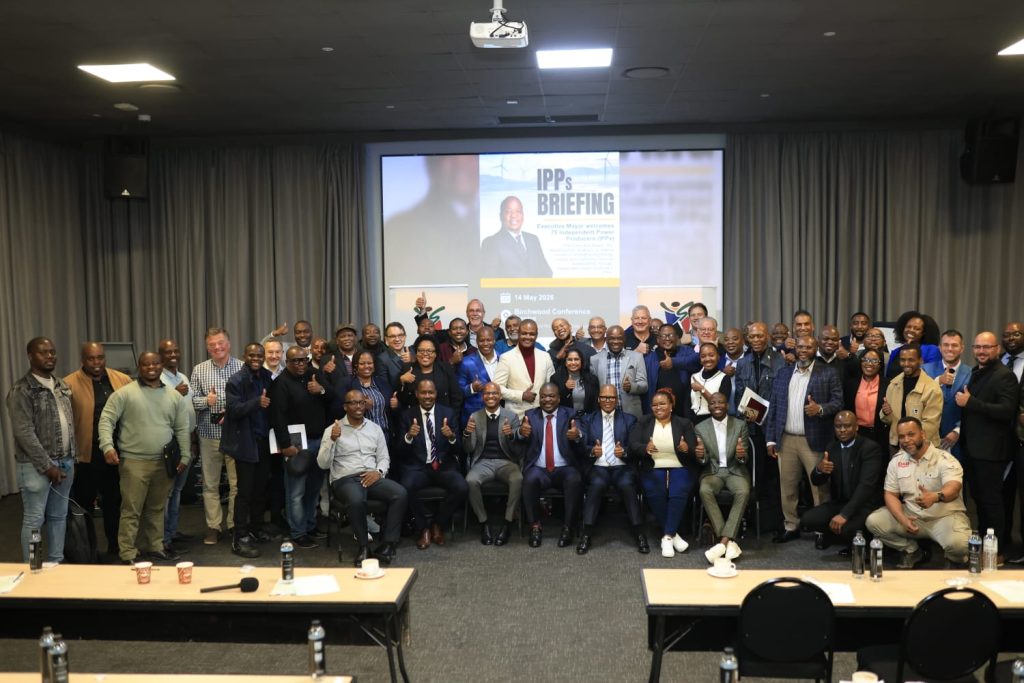
Ekurhuleni mayor Nkosindiphile Xhakaza has welcomed a “historic milestone” towards energy security after formally welcoming 75 Independent Power Producers (IPPs) as part of a long-awaited strategy to diversify electricity supply away from Eskom.
Speaking at the Birchwood Conference Centre on Thursday, Xhakaza announced that the metro council had approved an Escrow Account framework for IPP projects and Eskom security deposits, paving the way for large-scale private sector investment into the city’s energy infrastructure.
“It is with great excitement that I inform you that the Council of Ekurhuleni has approved the Escrow Account framework for Independent Power Producer projects, as well as for Eskom security deposits,” Xhakaza said.
“This historic milestone closes an outstanding matter that has been unresolved for nearly two years and signals a new chapter in the City’s journey toward energy resilience, financial sustainability, and accelerated service delivery.”
The mayor said the approval created the legal and financial mechanism needed to unlock project finance for independent electricity generation facilities that would feed directly into Ekurhuleni’s electricity network.
“In plain terms, it means we now have a secure, bankable payment mechanism that gives financial institutions and project developers the confidence they need to invest in long-term energy generation projects in our city,” he said.
Xhakaza said the city currently managed a bulk electricity purchase portfolio worth nearly R20 billion annually, with Eskom remaining its sole supplier.
He said that single-supplier dependency remains a risk, and the metro has taken a decisive step to address it.
“By introducing Independent Power Producers, we seek to diversify our energy sources, improve pricing competitiveness, reduce long-term procurement risk, and build a more sustainable, resilient energy model for this metro,” Xhakaza said.
The initiative forms part of Ekurhuleni’s broader strategy to reduce pressure on the national grid while improving electricity reliability for residents and businesses.
Xhakaza stressed that the programme was not only about electricity supply, but also economic growth and revenue generation for the municipality.
“Greater energy availability will enable business expansion, attract new investors, stimulate industrial productivity, and ultimately grow municipal revenue through enhanced electricity sales and economic activity. This will result in more revenue for this municipality to deliver services to our people,” the mayor said.
The framework also addresses Eskom’s requirement for security deposits on large power-user connections by shifting liability from the municipality to qualifying large users.
He said that under this structure, the deposit liability moves from the municipality to qualifying large power users, thus protecting municipal finances, while ensuring that strategic developments are not delayed.
The mayor said residents and businesses would ultimately benefit through improved electricity reliability, reduced infrastructure constraints and faster implementation of major developments.
He said he would personally convene a strategic engagement with the seventy-five companies already appointed under the programme.
“Together, we will outline implementation modalities, governance frameworks, and project timelines so that this approval translates into action on the ground, without delay,” Xhakaza said.
The city estimates that the IPP programme will unlock infrastructure investment worth R16.2 billion across several energy streams, including R10 billion for solar photovoltaic projects, R4 billion for waste-to-energy initiatives, R1 billion for natural gas and R1.2 billion for innovative technologies.
According to the mayor, the projects are expected to create approximately 4,350 temporary construction jobs and 650 permanent positions.
Xhakaza also claimed the initiative could generate massive long-term savings for the municipality, with the purchasing of “cheaper and cleaner electricity”.
“The city will save around R200 billion over 20 years on bulk electricity purchases. Savings will shield the City’s residents from rising electricity tariffs,” the mayor said.
The city has become notorious for its power outages.
Earlier in the year, Ekurhuleni and Eskom reached an agreement on a payment plan to settle the municipality’s outstanding electricity debt.
The city has already paid R1.7 billion of R3.4 billion owed to Eskom, with the remaining balance to be settled over the next 18 months.
Last week, MMC for Metro Operations and Maintenance, Nomadlozi Nkosi, and the MMC for Metro Trading Utilities, Jean Sthato, conducted an oversight visit to central parts of Germiston following repeated outages.
Xhakaza welcomed the programme as a possible solution to improve electricity infrastructure, minimise power outages and enhance energy security across the metro.
“It unlocks infrastructure development, strengthens our revenue position, restores investor confidence, and opens new avenues for energy generation that will power economic growth and improve the lives of our people,” Xhakaza said.
INSIDE METROS