
By Desirée Erasmus
Johannesburg has just proved an embarrassing point: the city can work, it simply chooses when, and for whom.
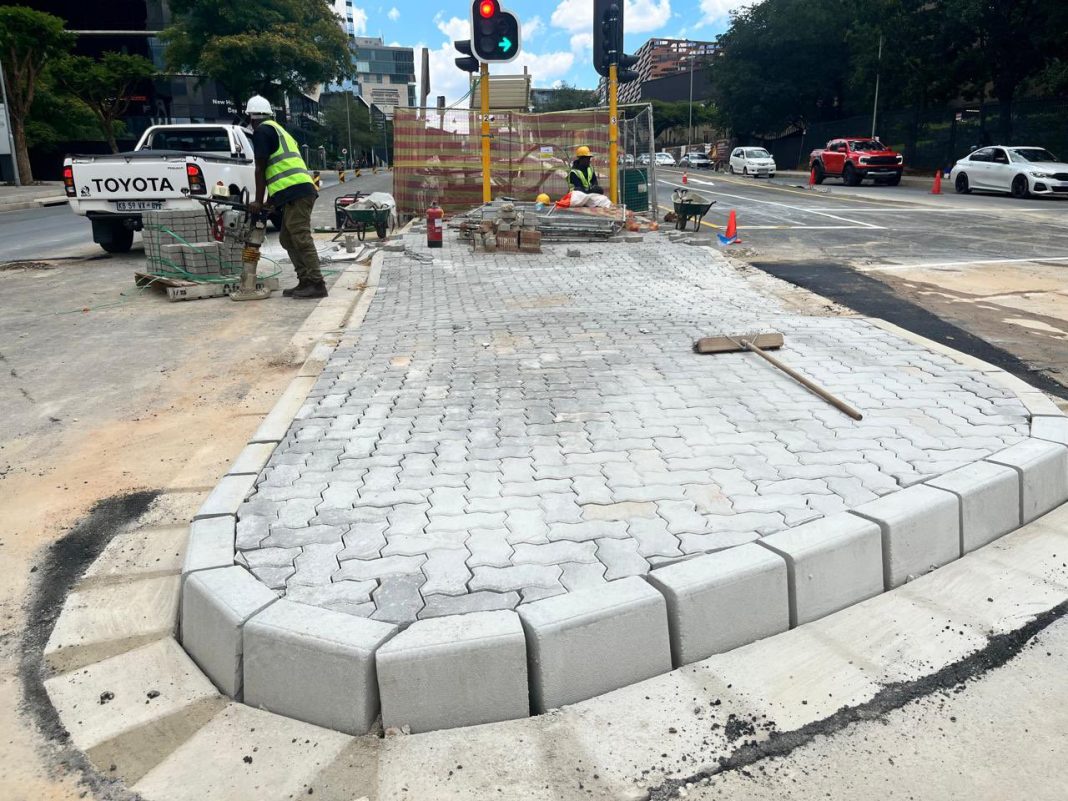
In the weeks prior to the G20 Leaders’ Summit, ratepayers were privy to a miracle of extreme municipal competence.
Potholes were filled, flowers planted, streetlights repaired, billboards erected, and a phalanx of workers deployed to scrub away the grime.
Too, security was suddenly not a problem.
Some 3 500 extra police officers were deployed, the army was placed on standby, and carefully controlled protest zones were demarcated so that outrage could be kept at a polite distance.
The message was unmistakable for long-suffering residents. When presidents are watching, the government remembers how to behave like one.
But step a few kilometres away from the G20 bubble and you find persistent power cuts, erratic water supplies, cratered roads and rotting rubbish – or, as one commentator put it, normalised “daily
You’ve reached your free article limit
Subscribe to enjoy unlimited access to trusted journalism. Start your free trial today.
Start your FREE trial nowNeed help? molokom@insideeducation.co.za